Trickster-p
Common land
What then is time? If no one asks me, I know; if I wish to explain it to him who asks, I do not know.
The game
The world as we have created it is a process of our thinking. It cannot be changed without changing our thinking.
Eutopia
The stories of the Earth have changed in nature and scale: we do not write stories to tell about the creation or the course of the world, but to avert its end.
Book is a Book is a Book
Ts'ui Pen must have said once: I am withdrawing to write a book. And another time: I am withdrawing to construct a labyrinth. Every one imagined two works; to no one did it occurred that the book and the maze were one and the same thing.
Nettles
At what age does one stop being an orphan? Who loses the father, let’s say at sixty, can he be defined an orphan? At ten yes – but at forty? (...)
Twilight
Choreography for the dying light
Sights
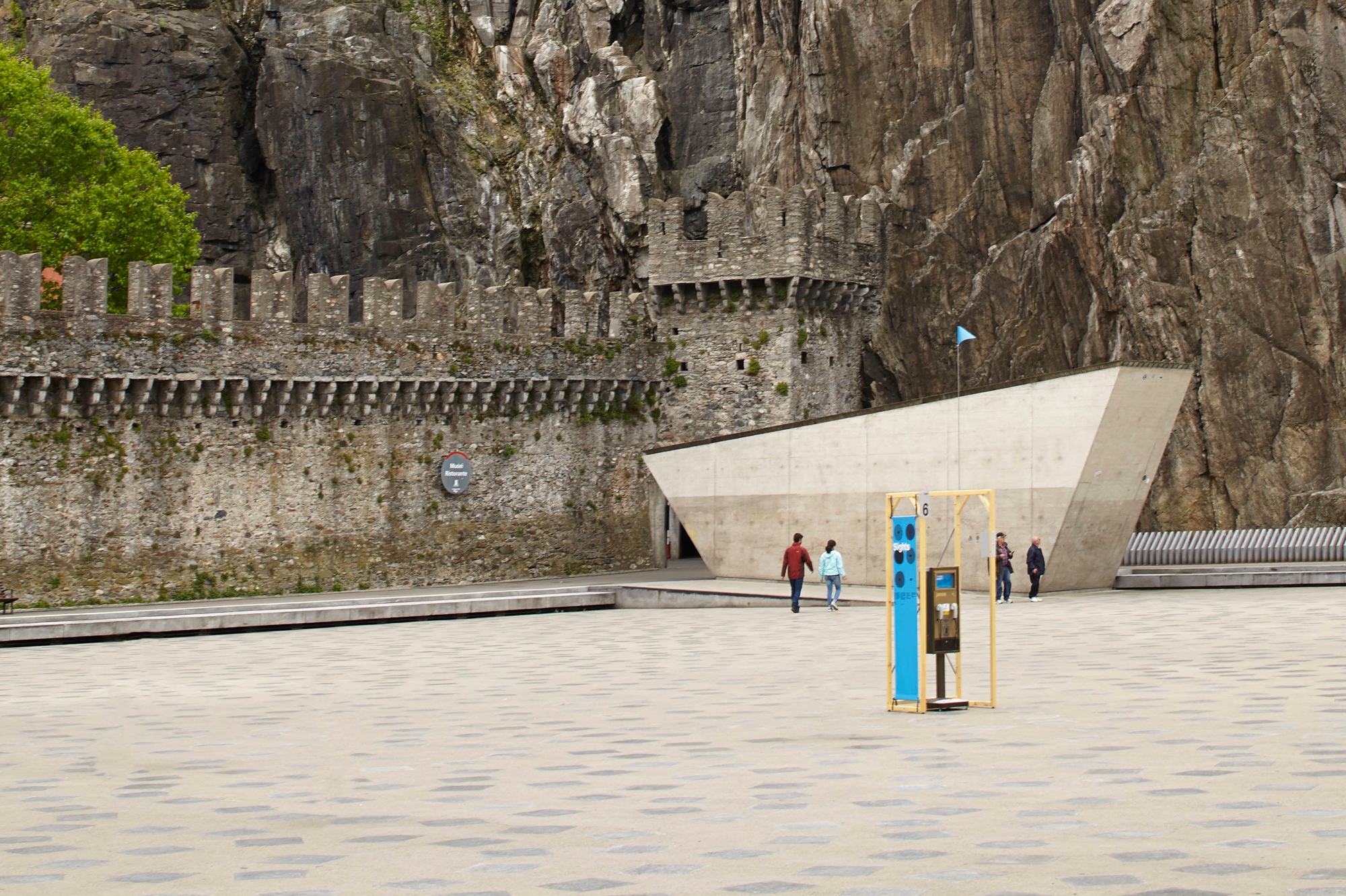
We met blind people. Some were born blind, others lost their sight over time. We asked them to tell us how they see
B
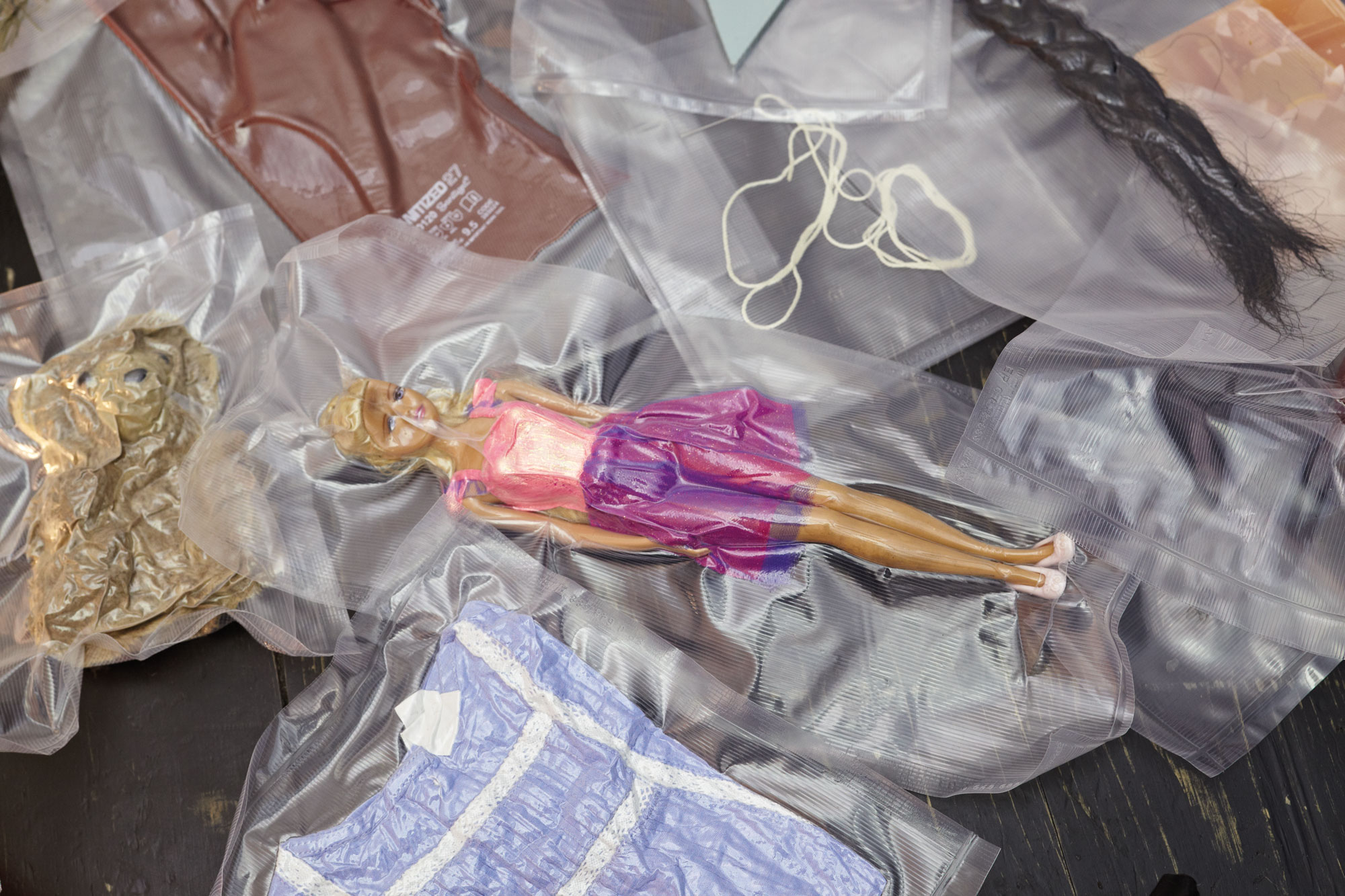
Room by room audio journey around the fairytale Snow White
.h.g.
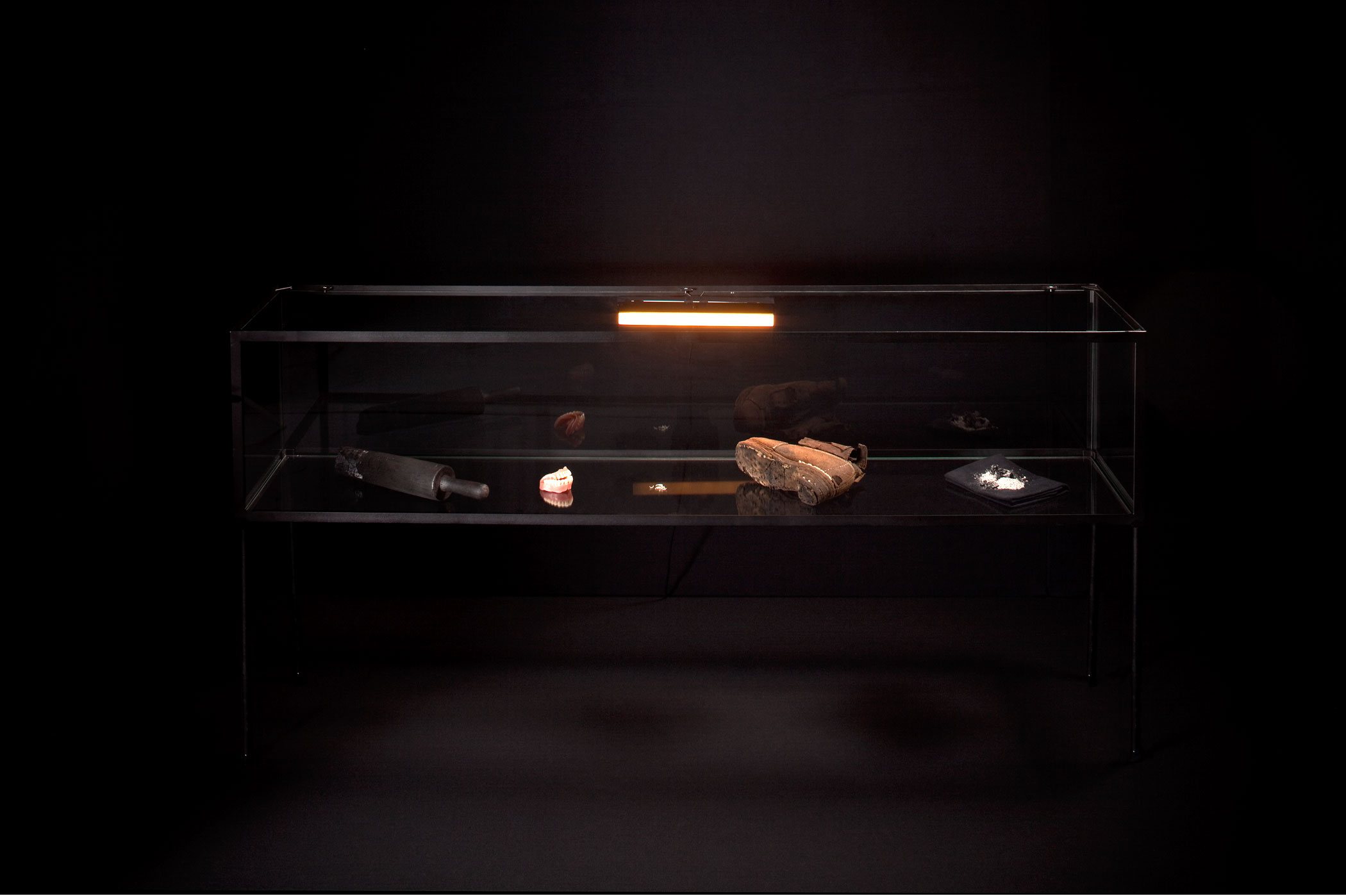
Installation in 9 rooms, one prologue and one epilogue
Common land
Trickster-p — Projects — Common land
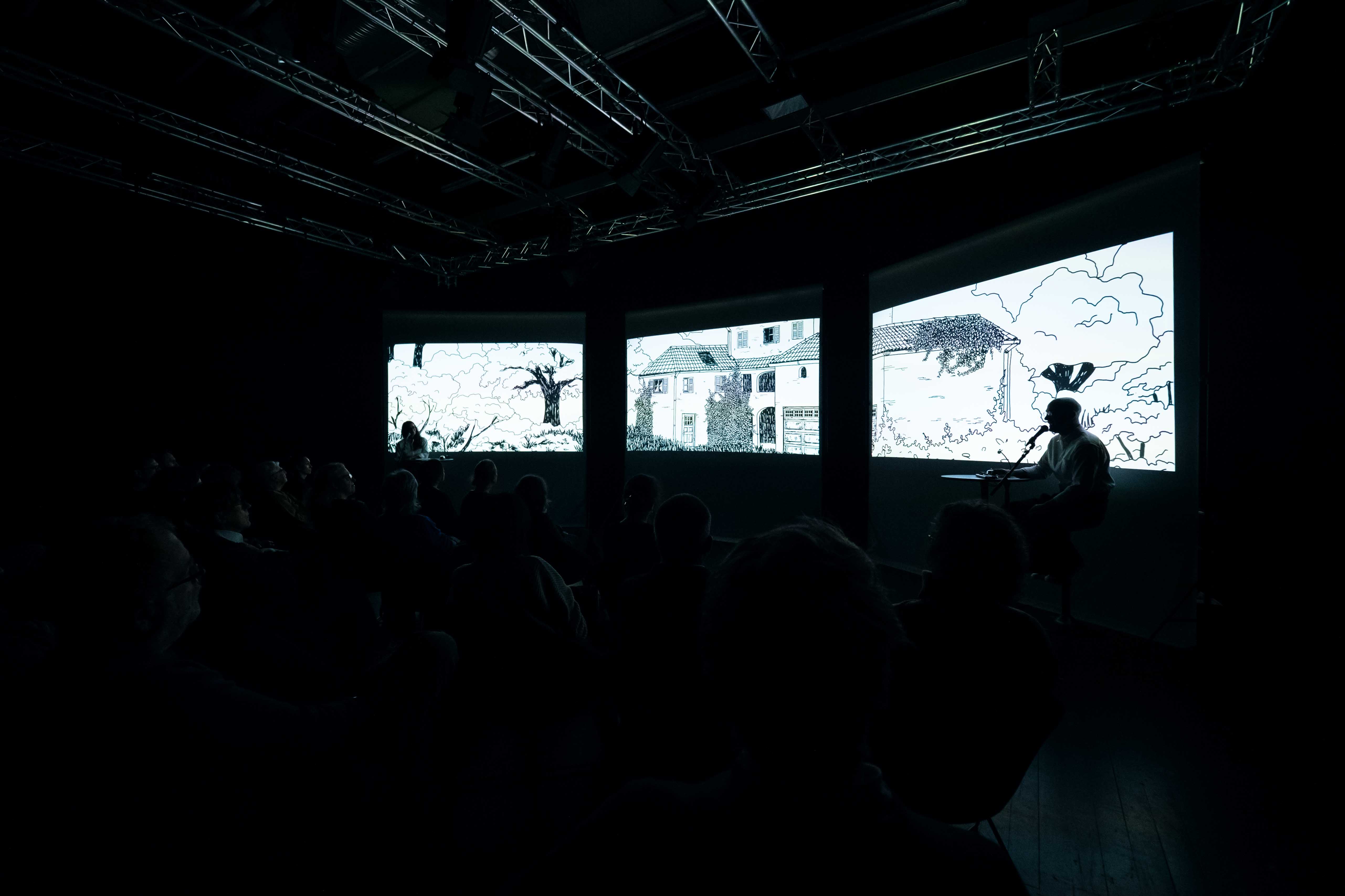
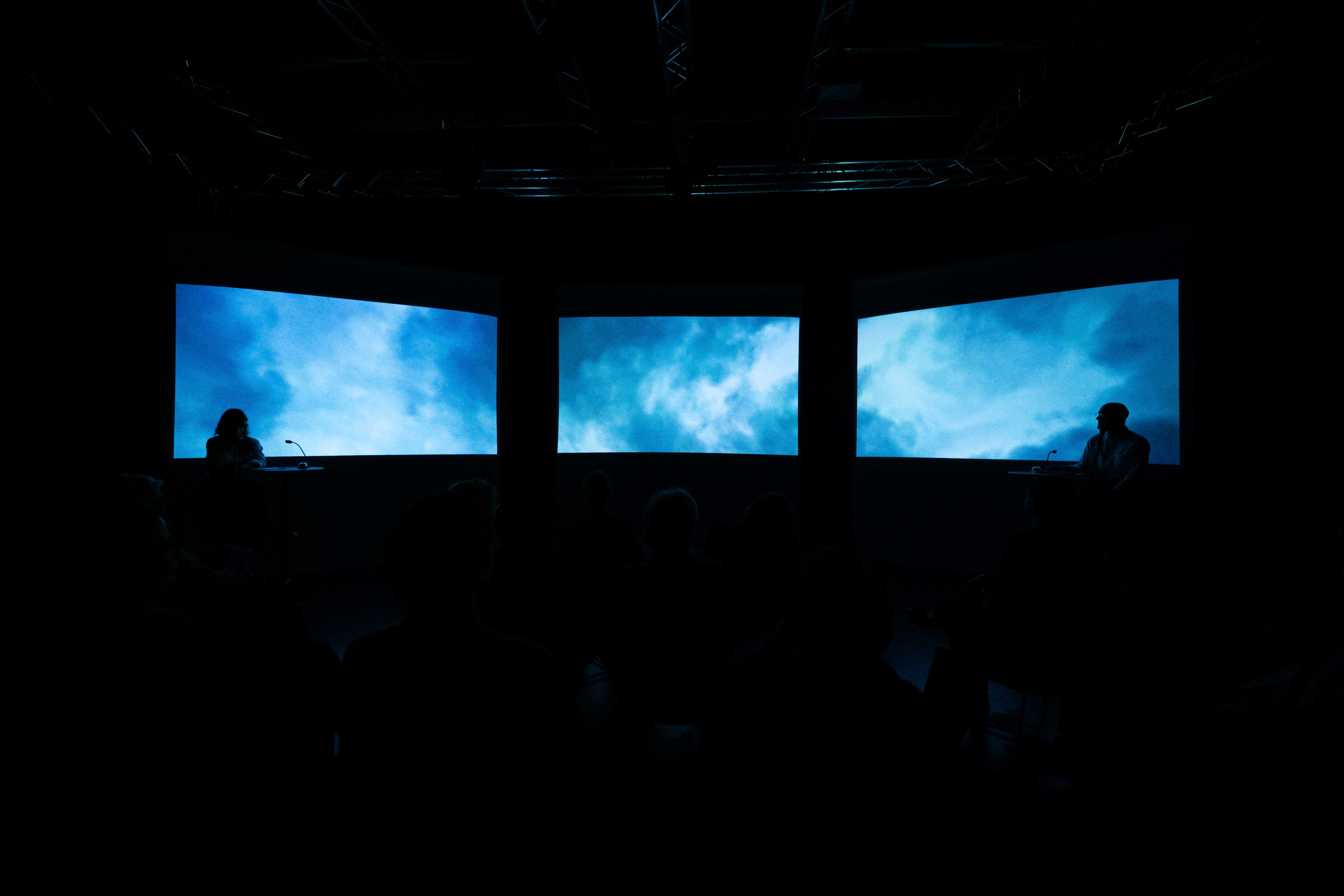
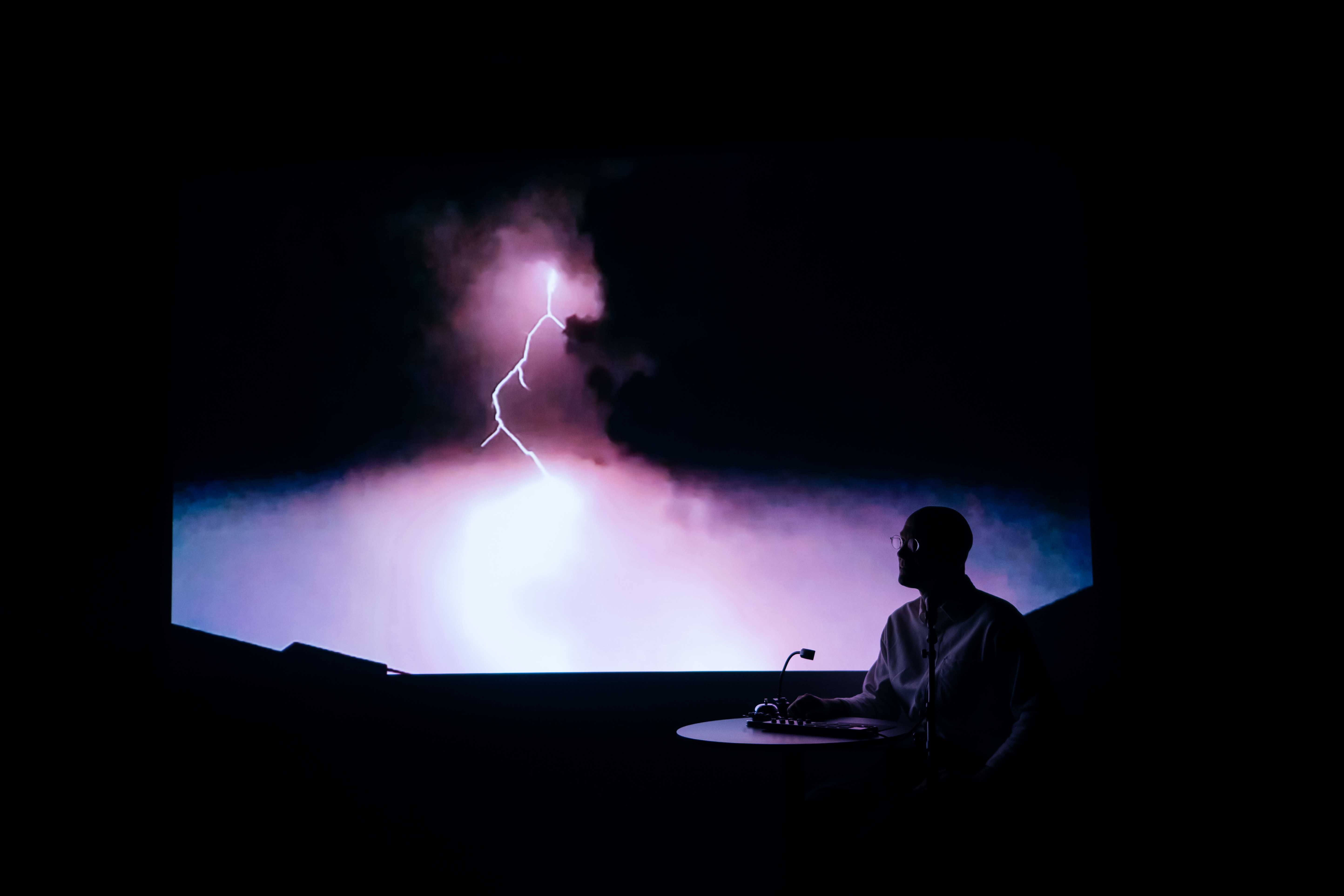
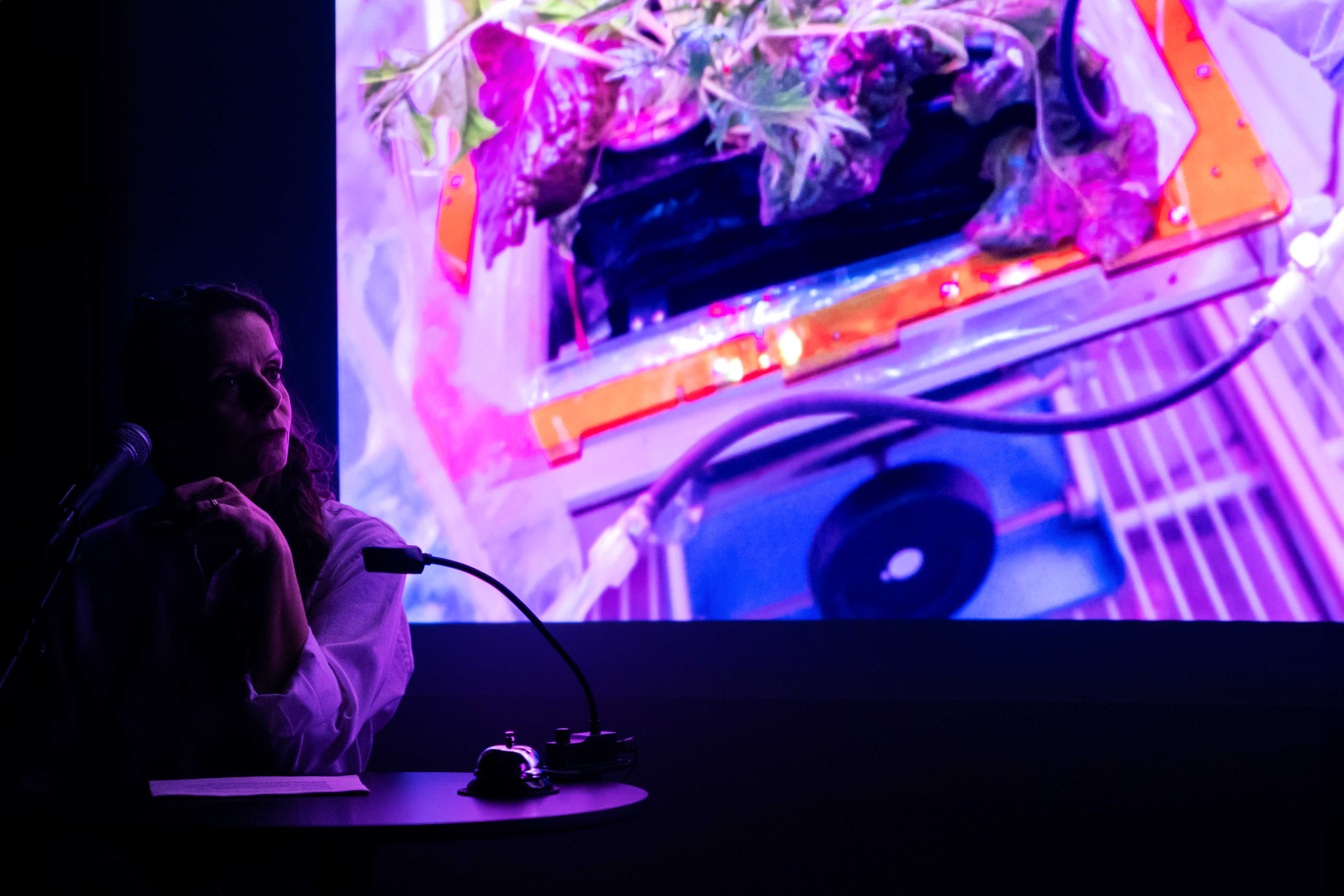
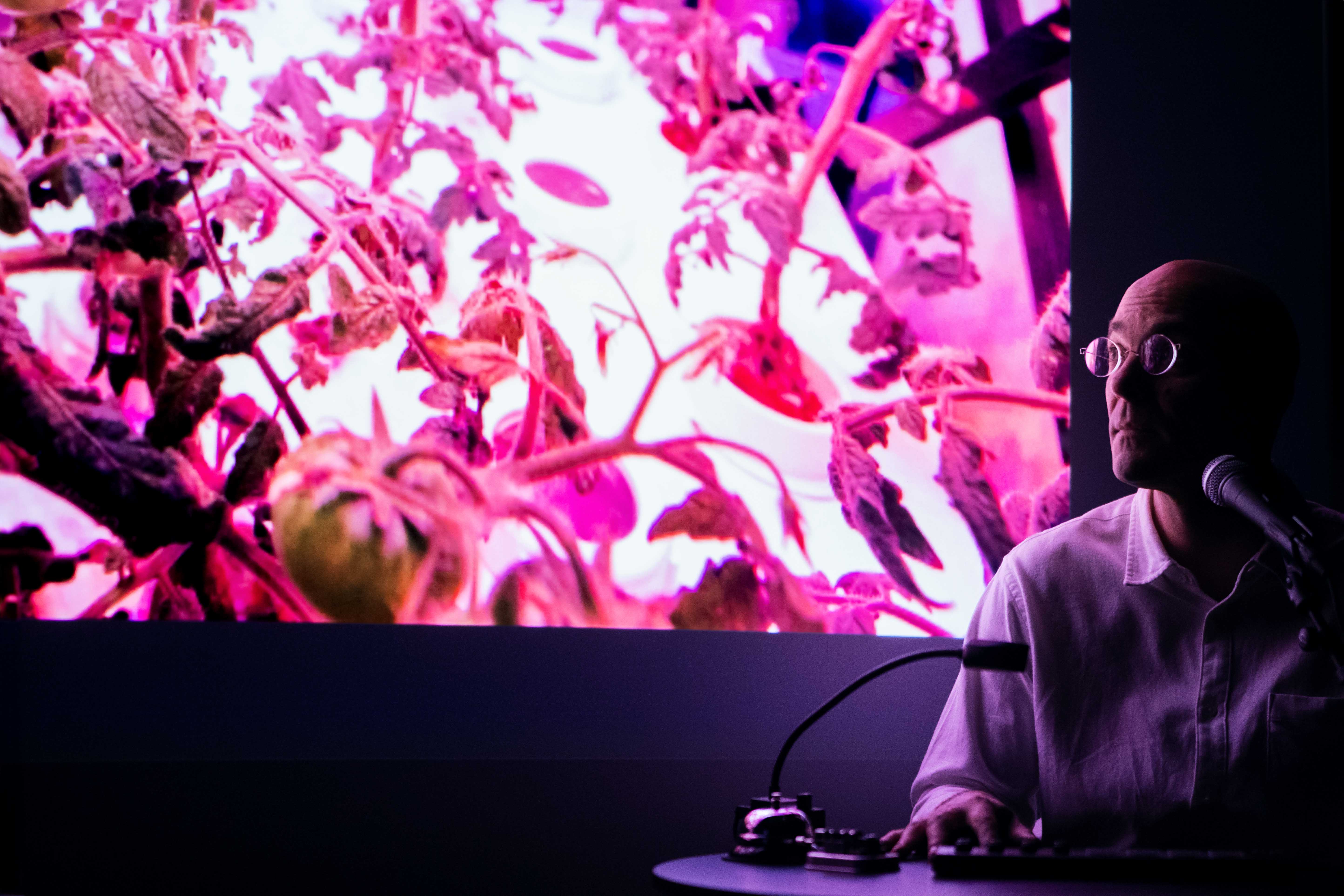
What stories lie hidden in a single fragment of reality? How many layers of time are overlaid within the same space? How do these elements contribute to the endless flow of which we, too, are a part? At a time when everything is in constant transformation, Common land is a suspended space where the landscape becomes a tale, woven into the rhythm of the world. A place of many visions, where there is no single perspective, but a constellation of coexisting gazes brushing against one another, and at times contradicting each other, while composing a mosaic of voices engaged in a silent dialogue across time. Spectators are invited to explore a changing landscape without physically moving: each gaze opening new paths and giving rise to new narrations. Inspired by the structure of mycelial networks that nourish and entwine with life in all ecosystems, the performance unfolds as both a collective and deeply individual experience. In it, the human is no longer the center, but a thread woven into a living, interdependent fabric.
Common land is an invitation to slow down, and lose one’s bearings so as to rediscover a sense of belonging. It is a journey through dimensions composing our own fragment of the world – a cartography of space-time, where the visible and the invisible coexist and cross the paths of those inhabiting it.
Credits
Creation
Concept and realization
Cristina Galbiati & Ilija Luginbühl
Artistic collaboration
Maria Da Silva, Jovana Malinarić
Voice
Gabriella Sacco
Styling
Ettore Lombardi
Illustrations
Giorgio Zeno Graf
Original sound space
Zeno Gabaglio
Mixing
Studio Lemura
Graphic design, video and design consultants
Studio CCRZ
Advice and development
Mauro Danesi
Photos and trailer
Giulia Lenzi
Production
Trickster-p, LAC Lugano Arte e Cultura
Co-production
Theater Casino Zug, Theater Stadelhofen Zürich, ROXY Birsfelden, TAK Theater Liechtenstein, Triennale Milano Teatro
In collaboration with
Postremise Chur
Supported by
Pro Helvetia – Swiss Arts Council
DECS Repubblica e Cantone Ticino – Fondo Swisslos
Città di Lugano
Comune di Novazzano
Fachausschuss Darstellende Künste BS/BL
Swisslos/Kulturförderung Kanton Graubünden
Amt für Kultur Kanton Zug
Stadt Zug
Migros-Kulturprozent
Landis & Gyr Stiftung
GKB BEITRAGSFONDS
Stiftung Dr. Valentin Malamoud
Fonds culturel de la Société Suisse des Auteurs (SSA)
Press review
La Regione Ticino (Switzerland)
[…] The work of Trickster-p is one that consistently calls into question the assumptions of its audiences – first and foremost, their understanding of what theatre is. Through journeys and installations that may at first appear akin to other artistic forms, the work ultimately reveals itself, once experienced, as profoundly theatrical – above all in the deft handling of dramaturgical timing.
Kappa e spalla, RSI (Switzerland)
[…] In Common land, “dwelling” comes to mean recognising oneself as part of a landscape that precedes and exceeds our individual history. To narrate a house becomes a way of questioning what holds our lives together and, perhaps, in an age that senses the instability of its own structures, returning to those foundations – however fragile – becomes an attempt to rethink our place in the world, making once again perceptible the connections that bind us to one another and, more broadly, to what surrounds us.